Key Takeaways
- A well-written rental listing attracts more qualified applicants before the screening process even begins.
- Following the same screening process for every applicant helps you make informed and fair leasing decisions.
- Setting the right rental price helps attract reliable tenants and reduces vacancy time.
- Clear communication, detailed lease agreements, and knowledge of South Carolina rental laws help build successful long-term tenancies.
Finding reliable tenants is one of the most important parts of owning a rental property. While no screening process can predict everything, taking the right steps before signing a lease can greatly improve your chances of finding residents who pay rent on time, care for the property, and communicate well.
Many landlords have experienced situations where an applicant made a great first impression but later proved to be a poor fit. In many cases, the warning signs were there but were missed because the screening process was rushed or important steps were skipped.
At Blue Bridge Management, we help Greenville property owners market their rentals, screen applicants, prepare leases, and manage every stage of the rental process. The following tips can help you attract quality tenants while protecting your investment.
1. Start With a Strong Rental Listing
Finding a great tenant begins long before someone schedules a property tour.
Your rental listing is often the first impression prospective tenants have of your property. A complete, accurate listing helps attract applicants who are genuinely interested while reducing questions from people who may not be a good match.
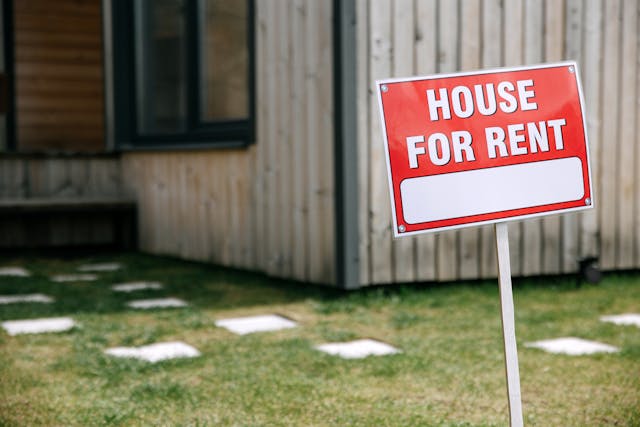
Include high-quality photos that show every major room and highlight features renters want to see.
Your listing should also include important details such as:
- Monthly rent.
- Security deposit amount.
- Number of bedrooms and bathrooms.
- Square footage.
- Parking information.
- Pet policy.
- Included utilities.
- Move-in date.
- Lease length.
- Property features.
A detailed listing also saves time by reducing unnecessary inquiries and attracting applicants who are ready to move forward.
2. Price Your Rental Competitively
Setting the right rental price is just as important as creating a great listing.
If rent is priced much higher than similar properties, qualified renters may choose another home before contacting you.
If rent is charged too low, you may receive a large number of applications that are not the right fit for your property.
Research similar rental homes in the Greenville area before deciding on a rental price.
Compare properties with similar:
- Size.
- Location.
- Number of bedrooms.
- Amenities.
- Parking.
- Property condition.
Pricing your rental fairly helps attract a larger pool of qualified applicants while reducing the amount of time your property stays vacant.
Many property owners also review current market conditions regularly to make sure rental rates remain competitive.
3. Follow a Consistent Screening Process
Tenant screening is one of the most important steps in the leasing process.
Even if your property has been vacant for several weeks, it is still important to complete every part of your screening process before approving an applicant.

Skipping steps to fill a vacancy quickly can create larger challenges later.
A complete screening process often includes:
- Rental application.
- Income verification.
- Employment verification.
- Credit report.
- Background screening.
- Rental history review.
- Previous landlord references.
Using the same process for every applicant helps ensure fairness and consistency.
Verify Income Carefully
One of the first things to confirm is whether an applicant has enough income to comfortably pay rent.
Many landlords require applicants to earn a minimum monthly income that is several times the monthly rent.
Income may be verified using:
- Recent pay stubs.
- Employment letters.
- Bank statements.
- Tax returns for self-employed applicants.
- Offer letters for new employment.
Reviewing more than one document helps confirm the information provided on the rental application.
Check Rental History
Rental history often provides valuable information about how an applicant cared for previous homes.
When speaking with former landlords, consider asking questions such as:
- Did the tenant pay rent on time?
- Did they follow the lease agreement?
- Was the property left in good condition?
- Did they communicate well?
- Would you rent to them again?
Sometimes speaking with an earlier landlord, instead of only the current one, provides a more complete picture of the applicant’s rental history.
Review Credit and Background Information
Credit reports and background checks provide additional information that supports informed leasing decisions.

A credit report may show:
- Payment history.
- Outstanding debt.
- Collection accounts.
- Overall financial habits.
Background screening should always follow applicable federal, state, and local laws.
Always obtain written permission before running these reports and apply the same standards to every applicant.
4. Explain the Lease Before Signing
A lease is much more than a document that collects signatures.
Before signing, take time to review the lease together and explain important policies.
Topics to discuss include:
- Monthly rent.
- Due dates.
- Late fee policy.
- Maintenance requests.
- Emergency repairs.
- Pet rules.
- Guest policies.
- Parking rules.
- Property care expectations.
When tenants understand these expectations from the beginning, they are more likely to follow them throughout the lease.
Discuss Security Deposits Clearly
Security deposits are another topic that should be explained before move-in.
Review:
- Deposit amount.
- Conditions for deductions.
- Cleaning expectations.
- Move-out procedures.
Understanding South Carolina’s security deposit requirements helps landlords follow state law while helping tenants understand what is expected when they move out.
Clear communication helps prevent misunderstandings later.
5. Understand South Carolina Rental Laws
Every landlord should have a basic understanding of South Carolina landlord-tenant laws.
These laws cover important topics such as:
- Fair Housing requirements.
- Security deposits.
- Lease agreements.
- Property access.
- Required notices.
- Tenant rights.
- Landlord responsibilities.
Rental laws may change over time, so it is important to stay informed.

Following current legal requirements helps protect both landlords and tenants while creating a professional rental experience.
6. Make a Great First Impression
The screening process works both ways. Just as landlords evaluate prospective tenants, applicants also evaluate landlords.
Qualified renters often have several properties to choose from, so creating a positive experience can make a difference.
Simple steps include:
- Respond to inquiries promptly.
- Schedule showings efficiently.
- Arrive prepared.
- Present a clean property.
- Answer questions honestly.
- Explain the application process clearly.
Professional communication helps build trust from the very beginning and makes renters happy.
Applicants often appreciate landlords who are organized, responsive, and transparent throughout the leasing process.
7. Stay Consistent With Every Applicant
Consistency is one of the best ways to build a successful tenant placement process.
Use the same:
- Rental application.
- Qualification standards.
- Income requirements.
- Screening procedures.
- Documentation process.
Applying the same standards to every applicant supports Fair Housing compliance and helps create objective leasing decisions.
Keeping organized records also makes future questions much easier to answer.
8. Consider Professional Property Management
Finding qualified tenants takes time.
Marketing the property, answering inquiries, scheduling showings, reviewing applications, verifying information, and preparing leases all require careful attention.
Many property owners choose professional property management because experienced teams already have proven systems in place.

Professional property managers can assist with:
- Rental pricing.
- Marketing.
- Professional photography.
- Property showings.
- Applicant screening.
- Lease preparation.
- Move-in coordination.
- Ongoing tenant communication.
These services help reduce vacancy time while improving the overall rental experience.
Final Thoughts
Finding great tenants starts with a thoughtful process, not good luck. A strong rental listing, competitive pricing, consistent screening, and clear communication all play an important role in attracting responsible residents.
Taking the time to verify income, review rental history, explain lease expectations, and follow South Carolina landlord-tenant laws helps create successful long-term rental relationships while protecting your investment.
If you own rental property in Greenville or the surrounding communities, Blue Bridge Management can help simplify every step of tenant placement.
John
John has more than 20 years of real estate investment, management, development, and leasing experience. Prior to co-founding Blue Bridge Management, Mr. Raptis was an Executive Vice President of a Retail Group involved with Saks Fifth Ave, Bloomingdales and various other large retail organizations. His responsibilities oversaw managing over $180mil in retail & Lease holdings.