
Key Takeaways
- Start with Knowledge and a Clear Strategy – Understanding different investment paths (like rentals, fix-and-flips, or house hacking) and choosing one that aligns with your goals is crucial before jumping into real estate.
- Do Your Homework and Budget Wisely – Research the local market, assess property values, and calculate your ROI, expenses, and potential risks. A realistic budget and careful planning can prevent costly mistakes.
- Leverage Professional Help for Long-Term Success – Hiring experts, such as property inspectors and managers, can save time, reduce stress, and protect your investment—especially for first-time investors.
Investing in real estate is one of the most reliable ways to build long-term wealth. From earning steady rental income to benefiting from property appreciation and tax advantages, real estate can offer financial stability and opportunities that few other investments can match. For many, it’s a first step towards financial freedom and security.

However, real estate investing may feel overwhelming, especially for beginners. New investors often face obstacles such as ignoring market trends, underestimating maintenance costs, or choosing the wrong property type. Without the right knowledge or preparation, even promising investments can turn into costly mistakes. That’s why it’s crucial to start with a solid understanding of the process.
Luckily, the team at Blue Bridge Management is here to help you! In this guide for first-time investors, we’ll walk you through the key steps, tips, and insights you need to make confident, informed decisions and set yourself up for success.
Top Tips for First-Time Real Estate Investors
Investing in real estate can be one of the most rewarding financial decisions you can ever make. But it requires patience, research, and planning. Here are some of the best tips to help first-time investors navigate the process more easily:
1. Determine What Your Investment Path Will Be
Believe it or not, there are many different ways to invest in real estate. However, not all of them offer the same returns. Understanding the differences of each will help you choose the one that better adapts to your goals and lifestyle. Here is a list of the most common strategies to invest in real estate:
Rental Properties:
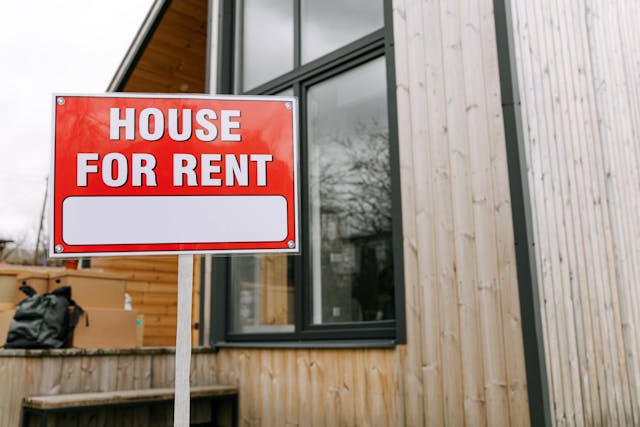
Whether you buy a single-family home, a duplex, or an apartment complex, residential rentals are a great way to make money off real estate investments. They allow you to generate a steady passive income while also benefiting from appreciation and equity growth over time.
Commercial Properties:
Retail, industrial, and office spaces are always in high demand, making commercial rentals a great investment. However, these types of properties are often more work than residential properties, as they require more maintenance, inspections, and stricter lease agreements.
Fix-and-Flipping:
If you’re knowledgeable about home renovations, consider fix-and-flip properties. Buy distressed homes cheaply, renovate them, and sell for a profit. This strategy offers fast returns but demands significant upfront capital and effort.
Buy-and-Hold Investments:
Real estate tends to appreciate over time, which is why many investors choose to buy properties, live on them or rent them out, and then sell them for a higher profit. This provides a safe strategy to grow your wealth and equity over time. However, there’s always the risk of property depreciation.
House Hacking:
If you want a home that also generates passive income, try house hacking. Buy a multi-family property, live in one unit, and rent out the rest. You’ll earn steady income, but must be ready to handle tenant issues anytime.
2. Research the Market
When it comes to buying investment property, research is your strongest tool. Before you start browsing for properties for sale, make sure to look up the local housing trends, property values, rental demand, and economic growth indicators. Understanding whether an area is stable, growing, or declining will help you choose the right property and avoid overpaying.

3. Set a Realistic Budget
You should establish your financial limits early on. Overstretching your finances can turn a promising investment into a major burden. Take a look at your savings and consider pre-applying for financing to get a better idea of how much you could potentially borrow. Remember to not only account for the down payment but also taxes, insurance, maintenance, and potential vacancies.
4. Crunch the Numbers
Investing is a numbers game. You should always calculate your potential return on investment (ROI), before committing to an investment. Additionally, you should calculate key metrics such as cash flow, appreciation potential, and operating expenses. This will help you select a property that generates steady income and long-term growth.
5. Start Small
If you’ve never bought or managed real estate before, it’s better to start with a single-family home or small duplex rather than a large apartment complex. Smaller investments are easier to manage and give you valuable experience before expanding your portfolio.
6. Inspect Before You Buy
Thorough property inspections are essential before investing in a property. They can reveal hidden issues that could lead to costly repairs. Consider hiring a professional inspector or property manager to evaluate the property’s structure, electrical, plumbing, and overall condition. This small upfront investment can save you thousands of dollars later on.

7. Hire a Property Manager
If you’re thinking about investing in a rental property, you should consider hiring a property manager. Managing tenants, maintenance, and rent collection can be stressful and time-consuming. A reputable property management company, like Blue Bridge Property Management can help you save time, avoid stress, and protect your investment while keeping your tenants happy year-round.
Bottom Line
Investing in real estate is a surefire path to financial independence, but success doesn’t happen by accident. By researching the market, budgeting wisely, crunching the numbers, and surrounding yourself with the right professionals, you’ll set a solid foundation for long-term growth. Whether your goal is passive income, a comfortable retirement, or wealth building, smart real estate investing can help you achieve it.
Partnering with an expert property management company like Blue Bridge Management is essential when thinking about investing in Greenville real estate. With their expert tips and knowledgeable team, they help set you and your rental property up for success.